
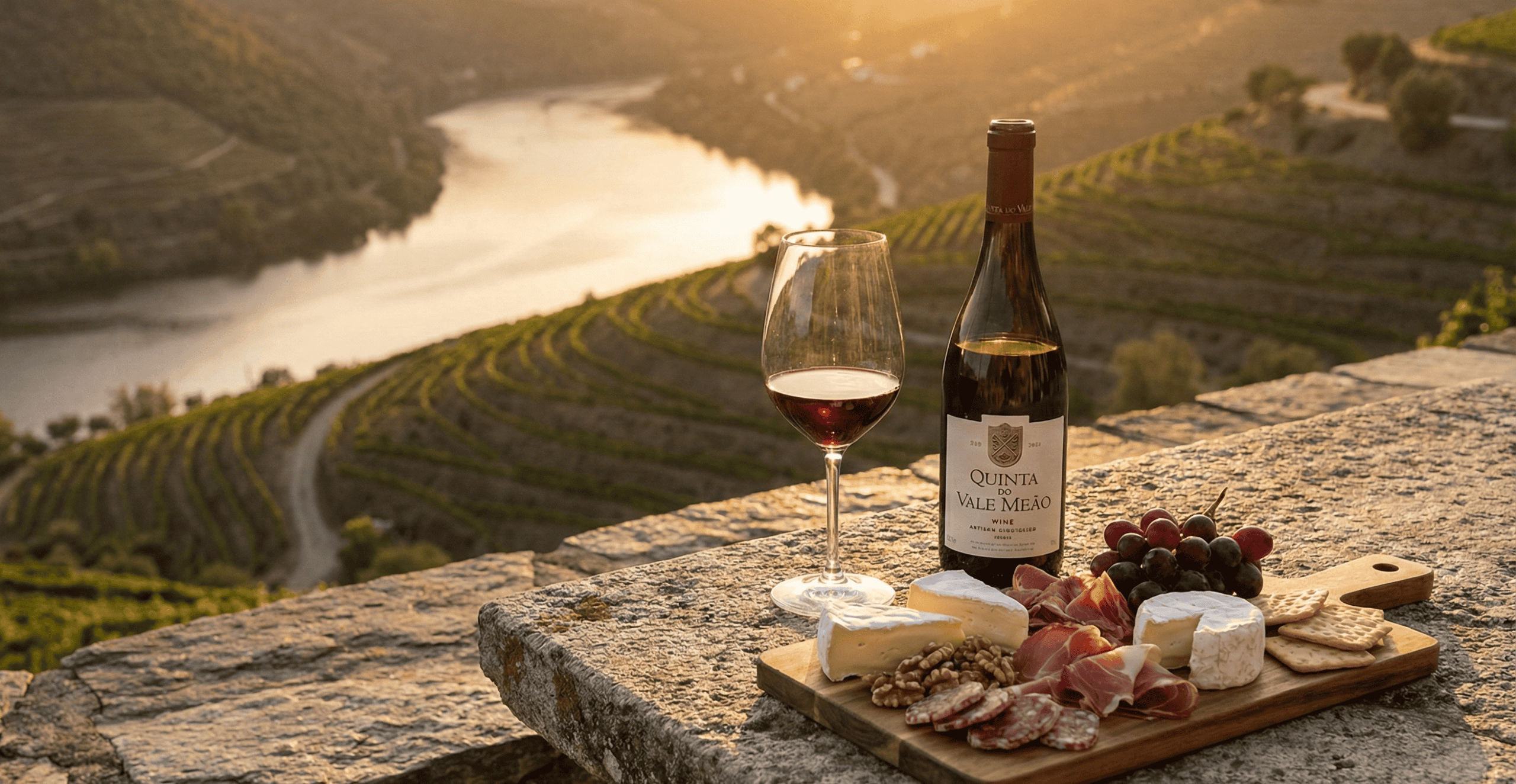
Luxury is a loaded word. Travel companies throw it around like confetti, and half the time it just means “we’re charging more.” In the Douro Valley, everybody uses it—big tour operators in Porto, tiny boutique quintas tucked above Pinhão, even the guy selling cherry liqueur off the roadside. But ask ten people what “luxury” actually feels like when you’re standing in a dusty vineyard at 3:00 PM during a July heatwave and… yeah. Nobody agrees.
In the Douro, a “luxury wine tour” can mean two completely different realities. For some travelers it’s a flawless, bespoke private day where every detail is dialed to their palate—like the guide is basically reading their mind. For others it’s the same loop as the group tours, just in a newer car with leather seats and a quieter driver. Sometimes it’s both in the same day, which is kind of hilarious. It depends on who’s selling it, who’s buying it, and—this is the part that bites people—expectations. That’s where a lot of “premium” experiences in Northern Portugal quietly fall apart.
If you’re still getting your bearings and trying to understand what “normal” even looks like in this region, this overview of the best Douro wine tours from Porto lays the groundwork before you start paying extra for the word “luxury.”
This guide is written for U.S. travelers, specifically—people used to the polished, high-touch choreography of Napa or Sonoma—trying to figure out if luxury Douro wine tours are actually worth the $700+ per person premium. Short answer? Sometimes. Long answer… you have to understand how Portuguese hospitality really works, because it’s not trying to be American. It’s trying to be Douro.
What Luxury Usually Means in the Douro (And What It Doesn’t)
Luxury in Northern Portugal is kind of a quiet rebellion against the usual high-end expectations. It’s not marble floors. It’s not white gloves. It’s not gold-plated faucets and a scent diffuser blasting “rich person vibes.” The Douro is rural, agrarian, working. It’s a UNESCO World Heritage site carved out of stubborn schist by families who basically fought the terrain for centuries. If you show up expecting the manicured, corporate luxury of a luxury mall… you’re going to feel weirdly disappointed, and then annoyed at yourself for being disappointed.
The Concept of “Rural Luxury”
Real luxury in the Douro shows up as space, time, and silence. Not a champagne tower. Not a branded tote bag.
- Space: Being the only people in a 200-year-old cellar, breathing in oak and evaporating spirit—the “Angels’ Share” isn’t a cute phrase down there, it’s a smell you feel in your chest.
- Time: Having a guide who doesn’t glance at their watch when you decide you want to walk the vines for another thirty minutes because the light is doing something unreal.
- Silence: Standing at a viewpoint in Cima Corgo and hearing nothing but wind. No idling tour buses. No megaphones. No chatter of thirty strangers narrating your own photos back to you.
The Myths of the “VIP Shortcut”
Luxury does not mean skipping the geography. The Douro is still a vertical maze. The roads are still slow. The hills are still steep. That transit time from Porto—roughly 90 minutes each way—doesn’t magically shrink because you paid for a private driver. Anyone selling you a “VIP shortcut” or an “express route” through the valley is over-marketing. The valley doesn’t bend for price tags. It only rewards patience… and decent suspension.
The Hierarchy of Douro Wine Tours: A Comparative Analysis
To understand where “Luxury” sits, you have to see the tiers. A lot of U.S. travelers mentally mash “Private” and “Luxury” into the same thing, but they’re different categories with different price points, different expectations, different outcomes.
| Feature | Standard Group Tour | Standard Private Tour | Luxury Bespoke Tour |
|---|---|---|---|
| Price Range | $120 – $180 / person | $300 – $450 / person | $700 – $1,500+ / person |
| Vehicle | High-top van (8-12 seats) | Standard sedan / small SUV | Premium SUV (Volvo XC90 / GLE) |
| Wineries | High-capacity (group friendly) | Vetted but standard quintas | Exclusive boutique / “closed” estates |
| Guide Expertise | Generalist driver-guide | Professional driver-guide | Sommelier or industry expert |
| Flexibility | Zero (fixed itinerary) | Moderate (custom stops) | Total (fully adaptive “pivot”) |
Why Expectations Often Lead to “Premium Disappointment”
The biggest friction point for high-net-worth travelers in the Douro is the collision of high price vs. rural reality. In Napa, a $500 tasting often comes with a high-tech visitor center, a perfectly choreographed presentation, and a bathroom that looks like a spa. In the Douro, a $500 day might involve sitting on a sun-baked stone wall at a quinta that honestly looks like a farmhouse from the 1800s. Because it is.
The “Unmanaged” Day
A true luxury tour delivers a day that doesn’t feel managed. On a standard tour, you can feel the machine. Pickup times. Lunch deadlines. Fixed tasting slots. The gears are loud. On a luxury tour, the machine still exists, but it becomes invisible. Your guide is basically a fixer, quietly running WhatsApp logistics in the background so if you linger at a viewpoint, your arrival at the next estate still lands smooth. No awkward rushing. No “sorry guys we have to go.” Just flow.
Access vs. Exclusivity
A lot of travelers assume luxury means access to “secret” wineries. Reality is harsher. The Douro’s most prestigious producers—names like Quinta do Noval or Quinta do Vale Meão—often have restrictive booking policies or are closed to casual tourism entirely.
A good luxury operator doesn’t just “know” these places. They’ve spent years building cunha (personal connections) to open those doors. You’re paying for social capital. If you expect luxury to rewrite the laws of physics or geography, you’ll be annoyed. If you expect it to remove friction in a complicated region… it can be worth every penny.
The Logistics of the “Premium” Journey
For a U.S. traveler, the transit from Porto is the first luxury test. The N222 road—often called one of the most beautiful drives in the world—is also physically demanding because it just doesn’t stop curving. Your inner ear will notice. Fast.
The difference in stability between a 12-seater van and a premium SUV with real suspension is not subtle. If you’re prone to motion sickness (and a lot of people are, they just don’t admit it until hour two), the luxury upgrade isn’t about status. It’s about surviving the afternoon tasting without feeling green. I tell people this all the time: luxury in the Douro is fewer compromises, starting with your stomach.
If you want the baseline numbers without the luxury fluff, this guide on how much Douro wine tours cost puts pricing into context—seasonality, inclusions, the little “fees” that sneak into cheap offers.
The Hardware of Luxury: Why the Vehicle is Your First Vineyard
A lot of travelers treat the vehicle like an afterthought. Just a box on wheels. In the Douro, that mindset is a trap. This region is basically engineered around the N222 and the CM1101—roads that are gorgeous, brutal, and kind of cruel if you’re not built for constant switchbacks. When you pay for luxury here, you’re paying for stability and climate control. Not vibes.
The “Motion Sickness” Factor
The drive from Porto into Cima Corgo involves hundreds of curves. Standard tour vans have a higher center of gravity. They sway. After 90 minutes of that, even a hardcore wine nerd can arrive at the first tasting already compromised.
Luxury operators put you in premium SUVs like the Volvo XC90, Audi Q7, or Mercedes-Benz GLE/S-Class. And no, it’s not about leather seats. It’s the suspension. These cars flatten the Douro’s curves in a way vans just can’t. For a U.S. traveler, that’s the difference between enjoying a 20-year-old Tawny and spending the tasting hunting for sparkling water and a chair.
Climate Control as a Non-Negotiable
In July and August, the valley floor near Pinhão can hit 43°C (110°F). Some standard vans turn into greenhouses because they’re basically glass boxes with tired AC units. A real luxury tour makes sure your vehicle has multi-zone climate control that actually works. Sounds boring. Until you realize you haven’t broken a sweat by stop three.
The Software: The Sommelier-Guide vs. The Driver
This is where luxury marketing gets muddy. In the Douro, there’s a massive gap between a “professional driver” and a specialist guide. For premium pricing, you want the specialist. Period.
The “Fixer” Mentality
A luxury guide in the Douro acts less like a narrator and more like a fixer. They manage friction so you don’t feel it.
- The Pivot: If you’re mesmerized by schist terraces at Quinta do Crasto and want to stay an extra hour, the luxury guide doesn’t check their watch. They call the next winery in Portuguese and adjust the afternoon so you never feel the gear shift.
- The Translation of Terroir: You’re not paying for “Port is sweet.” You’re paying for someone who can explain the Demarcated Region, what phylloxera did in the 19th century, why Baixo Corgo tastes different than Douro Superior, and why that matters when you’re staring at a label.
Credentials Matter: WSET and Beyond
If you’re coming from a high-end wine background, the guide needs to be an intellectual peer, not just a polite driver. Many luxury operators use guides with WSET Level 3 or Diploma. They’re not just driving. They’re basically running a moving seminar on IVDP regulations, Porto vs. Douro aging, and the rise of dry DOC wines that nobody in Napa even talks about.
Access: The Myth of the “Secret” Cellar
“Exclusive access to secret wineries” is one of the most abused marketing lines in this whole region. Let’s be clear: there are no secret wineries. But there are closed doors.
The Power of “Cunha”
In Portugal, cunha—personal connections—is everything. Some prestigious estates like Quinta do Noval, and smaller family-run gems like Quinta de la Rosa, have very specific ways they prefer to host guests.
A luxury operator doesn’t just click a booking form. They call someone’s personal number. That’s what you’re paying for: the ability to walk into a private tasting room that isn’t really advertised, led by someone who actually belongs there, not a seasonal intern reading a script.
How Luxury Tours Feel Different During the Day
The biggest difference isn’t the first hour. It’s the mid-afternoon shift. On standard tours, this is when “logistical fatigue” hits. Two wineries in, heavy lunch, now you’re being herded toward a boat or a third stop, and suddenly you feel like a passenger in your own vacation. It’s subtle. Then it’s not.
Intentionality vs. Optimization
Luxury tours move at the speed of intention, not optimization.
- The Mid-Morning Stretch: Instead of rushing to a 10:30 slot, you might stop at a roadside viewpoint and actually talk about patamares (stone terraces), why they exist, how they changed after mechanization, what “heroic viticulture” looks like up close.
- The Unhurried Tasting: In a group, you taste three wines and drift toward the gift shop. In luxury, you might do a vertical tasting of Vintage Ports from the 1970s, 80s, 90s, and talk through weather patterns, structure, oxidation, the whole story.
The day starts feeling like a conversation that unfolds, not a checklist you’re trying to survive. That mental shift is the expensive part… and honestly the only part that really justifies the premium. If you want the psychological reality check—less marketing, more “does this actually feel worth it”—this breakdown of private Douro wine tours and whether they’re worth it separates the buzz from the function.
Lunch Is Where Luxury Shows Its Hand (And Its Heart)
In the Douro, lunch isn’t a “break.” It’s the emotional center of the day. On standard tours, lunch is a logistical necessity—a high-calorie fuel stop designed to keep ten people quiet enough to make it back to Porto without mutiny. On a luxury tour, lunch becomes the bridge between the soil and the plate. It’s where the whole “premium” thing either makes sense… or collapses into theater.
Beyond the “Tourist Menu”
Most travelers don’t realize some estates operate with two hospitality modes: one for groups and one for private clients. Same property, same vineyards, totally different reality.
- Standard Experience: You’re seated in a large dining room. The menu is fixed—often Bacalhau or roasted meats—and the wine is a solid entry-level Douro DOC. It’s authentic, sure, but the vibe can feel like a wedding reception for people you don’t know. Loud, fast, polite.
- Luxury Experience: You might eat on a private terrace overlooking the Pinhão junction, or inside the family’s own dining room at the Casa Principal. The menu can be chef-driven (sometimes a consulting Michelin-star name like Rui Paula is involved), and the pairing isn’t “house red.” It’s single-quinta Vintage Port, old-vine whites, stuff that never appears in the gift shop because it was never meant to be sold to tourists.
The Fine Dining Paradigm: DOC vs. Bomfim 1896
If you’re the type of traveler who cares about food as much as the wine—and a lot of U.S. travelers do—this is where a luxury operator earns their keep. They can lock in a table at a destination restaurant, not just “somewhere with parking.”
DOC (Chef Rui Paula): This is the aquarium of the Douro. Glass walls, river below, high-concept plating, an absurdly deep wine list. It’s polished. It’s a flex. And yeah, it’s beautiful.
Bomfim 1896 (Symington Estate): This is the New Douro luxury—open-fire cooking, heavy beams, the whole place feeling like an aristocratic hunting lodge that learned how to plate food properly.
The Luxury Difference: You’re not just paying for the meal. You’re paying for the prime table and the unhurried pace. A luxury guide makes lunch stretch two, sometimes three hours if the conversation is alive. There’s no idling bus in the parking lot. No “we need to go.” You finish your espresso like a human.
The River Factor: Rabelo Boats vs. Private Navigation
Almost every Douro tour includes a boat trip. It’s the classic photo op, the river moment, the “look at us, we’re in Portugal” thing. But for a luxury traveler, sharing a 40-person Rabelo boat with three other tour groups is basically the opposite of premium. It’s fine. It’s just… not what you paid for.
The “Shared” Compromise
Standard Rabelo cruises run a fixed loop from the Pinhão bridge. They’re noisy, crowded, and the narration is often piped through a scratchy loudspeaker in three languages. Some people love it. Others hear it and think, wow, this feels like a floating queue.
Private Navigation: The Speedboat and the Yacht
Luxury tours upgrade the river by booking private vessels. This is where the pivot becomes real, not just a cute idea.
- The Vintage Speedboat: Think restored wood, 1950s vibe, fast and intimate. It can glide closer to the banks where the patamares meet the water, and suddenly the valley feels sharp, not packaged.
- The Luxury Yacht: For families or anyone who wants comfort without thinking about it, a private yacht means shaded lounges, a crew that handles everything, and—most importantly—a chilled bottle of Douro Branco or Vinho Verde on deck when the valley floor is cooking.
- The Route: Private boats can push upriver toward the Tua junction or the Valeira Dam. This is the quieter, wilder Douro. Less tourism tension. More eagles, stone walls, and that feeling like the river has been here forever and doesn’t care about your itinerary.
The Psychology of the “No-Decision” Day
One of the most underrated parts of luxury is the removal of decision fatigue. Traveling in a foreign wine region is weirdly exhausting. Not physically—mentally. Should we buy this bottle? Is there a bathroom at the next stop? Do we tip the cellar master? Are we supposed to tip the boat captain too? You start doing math in your head, and suddenly you’re not even tasting the wine, you’re just managing life.
The Invisible Fixed Hand
A real luxury tour in the Douro is end-to-end. From the moment you’re picked up at your Porto hotel (or your villa in the valley), the guide quietly absorbs the tiny decisions so you don’t have to.
- They’ve already tipped the boat captain.
- They’ve already coordinated dietary restrictions with the chef.
- They have a Plan B if the weather turns misty or the river schedule shifts.
For high-level professionals or travelers celebrating a milestone, the “luxury” isn’t just the wine. It’s the mental bandwidth you get back. You’re asked to manage nothing. Compromise on nothing. That’s what $1,000 a day is buying: the freedom to just be a guest.
Who Luxury Douro Wine Tours Are Actually For (Segmenting the Elite)
Not everyone who can afford a luxury tour should book one. Honestly, some people pay the premium and then feel trapped by the formality and the slower pace. The best luxury experiences usually land with three profiles:
- The Celebration Couple: Honeymoon, anniversary, proposal, whatever. They want the bubble of privacy. They don’t want to hear about a stranger’s flight delays over lunch.
- The Serious Collector: The traveler who knows the difference between Tinta Roriz and Touriga Franca. They want to talk rainfall in Baixo Corgo, vine age, schist fractures, soil pH… the nerd stuff. They need a guide who can keep up.
- The Repeat Visitor: If you’ve done the Douro once and already hit the famous names, luxury is how you get the B-sides—the estates with no signs on the road, the producers who don’t need tourists and therefore don’t cater to them.
If you’re a first-time visitor with a high-energy personality and a “see everything” mindset, a standard private tour can be the sweet spot. It’s private enough to breathe, structured enough to keep you moving. And if you’re still trying to decide whether the luxury jump makes sense, this breakdown of how much Douro wine tours cost helps you put the premium in context without getting seduced by marketing language.
Common Misunderstandings U.S. Travelers Have About Douro Luxury
The Douro gets compared to Napa a lot, which is understandable… and also kind of misleading. The DNA of luxury here is different. That gap is what creates “premium friction”—where someone spends $1,000 and still feels underwhelmed because they were looking for the wrong signals of quality.
Myth 1: Luxury Tours Guarantee “Better” Wine
The Reality: The Douro is already a high-quality region. You can drink world-class stuff on a $150 group tour. Luxury tours don’t invent better wine. They deliver context and depth.
In a luxury setting, you’re not just drinking a 20-year-old Tawny. You might be tasting a specific Colheita that matches your birth year, served in proper glassware (sometimes Riedel Port stems), sitting in the cool shade of a private cellar. The liquid can overlap. The sensory environment doesn’t. You’re paying for the frame, not just the canvas.
Myth 2: Luxury Equals Formality
The Reality: A lot of U.S. travelers expect tuxedo-level service—stiff, formal, distant. In the Douro, luxury is often casual and familial.
Your most expensive day in the valley might involve the owner wearing dusty boots, pouring wine at a wooden kitchen table. That’s not “lack of service.” That’s the ultimate form of it. It’s Acolhimento—the art of welcoming. If you equate luxury with corporate polish, you’ll miss the soul of the place.
Myth 3: The “VIP Shortcut” Myth
The Reality: The Douro is a UNESCO World Heritage site with ancient, protected infrastructure. There are no secret tunnels. No magical roads. No helicopter saving you from the N222 unless your budget is truly absurd.
Luxury here is strategic timing. It’s knowing when to hit the Pinhão bridge before the crowds. It’s choosing a backroad that gives you a clean view of the patamares without wind noise and parked vans.
Luxury vs. Private: Drawing the Line
Every luxury tour is private, but not every private tour is luxury. This is the marketing trap in Porto. Plenty of operators sell a $400 “private tour” and slap “luxury” on it. For travelers used to premium standards, that can feel like… an expensive taxi ride with a friendly driver.
The “Hardware” Test
- Private Tour: Clean modern sedan (Mercedes C-Class, basic SUV). Private, yes. But average suspension and average space.
- Luxury Tour: First-class vehicle (Volvo XC90, Range Rover, Mercedes S-Class/GLE). Real legroom. Serious climate control. A car that absorbs rough vineyard tracks and masks the valley’s vibrations.
The “Winery Selection” Test
- Private Tour: Same “big names” as the group route, just with a private table and a calmer pace.
- Luxury Tour: Avoids the bus route on purpose. Leans into boutique estates—places with small production where a tour bus physically cannot land. Your presence isn’t routine. That’s the point.
The “Guide” Test
This is the real separator. A private guide tells you what you’re seeing. A luxury guide tells you why it matters.
They can talk the geopolitics of Port, the shift toward dry Douro DOC wines, how different sub-regions behave, why some vintages feel muscular and others feel almost delicate. They’re an intellectual peer, not just someone doing customer service.
When Luxury Isn’t Worth the Premium
Sometimes luxury is just the wrong tool. You should skip the upgrade if:
- You’re a Checklist Traveler: If you want five wineries and a boat cruise in eight hours, luxury will feel slow and annoying. Luxury is depth, not breadth.
- You Crave Social Energy: Some people find the silence of a private luxury car… lonely. If you want to share your “holy sh*t this is good” moment with new friends, a high-end small group can be more fun.
- Budget Stress is Real: If you’re mentally calculating cost-per-glass all day, the luxury calm disappears. Nothing feels premium when you’re arguing with your own brain about the credit card bill.
If you’re realizing a standard private tour might be your actual sweet spot, this comparison of private Douro wine tours and whether they’re worth it is a clean next step.
The “Golden Hour” Strategy: Timing as a Luxury Asset
In the Douro, the sun is both blessing and curse. A luxury operator understands the valley’s light logistics.
Standard tours usually head back to Porto around 4:30 PM to avoid overtime and keep the schedule tidy. Luxury tours can return later. And that matters because the “golden hour” in Cima Corgo—around 6:00 PM in summer—turns the valley from green to gold. It’s a different planet.
Standing at a viewpoint like São Salvador do Mundo with a glass of White Port while the terraces glow… you can’t buy that moment on a group schedule. You can only buy the time to let it happen.
The Investment Verdict: Is the $700+ Premium Worth It?
After breaking down the hardware, the software, and the liquid assets of the valley, we arrive at the final question: Is it worth it? For U.S. travelers, this isn’t just about “can I afford it?” but more about “is this going to be a highlight of my European adventure, or just another car ride?”
The “Memory-per-Dollar” Calculation
Luxury in the Douro is an investment in friction removal. You’re paying for comfort during the 3-hour drive from Porto, making sure the heat doesn’t wreck your palate, and ensuring that the day’s timing feels organic, not rushed.
If you value intellectual depth and want a day that feels like a private conversation with a wine expert, the premium is worth it. But if you just want to see the river and drink good Port, the “Luxury” label might be overkill. A high-end small group tour or a standard private tour will offer 90% of the same wine quality at 40% of the cost.
Peak Season vs. Off-Season: When Luxury Matters Most
The value of a luxury tour depends heavily on timing. The “when” matters just as much as the “how.”
The Harvest (September – October): The Logistics Battle
During the Vindima (harvest), the Douro is chaotic. Traffic on the N222 is heavy, and wineries are running at full capacity.
The Luxury Edge: This is when you need a “Fixer.” A luxury guide uses their cunha to get you into a winery while grapes are actually being trodden in the lagares (stone troughs). In a standard tour, you’ll likely be stuck in the visitor center. In luxury, you’re right in the action.
The Summer Heat (July – August): The Comfort Battle
When Douro Superior hits 43°C (110°F), luxury is not just a perk—it’s a necessity. The premium vehicle’s AC and the guide’s ability to pivot the itinerary to cool, deep schist cellars make all the difference.
Pro Tip: If you’re visiting during peak summer, don’t settle for a “standard” private tour. Verify the vehicle. A basic sedan with a failing AC will ruin the experience faster than bad wine.
The Winter Mist (November – March): The Access Battle
Winter in the Douro is ethereal, hauntingly beautiful, and quiet—but many quintas “hibernate.”
The Luxury Edge: In January, many group tours don’t run at all. Luxury operators, though, can coordinate private openings of estates that are officially closed for the season. You’ll have the valley entirely to yourself.
Frequently Asked Questions (The U.S. Traveler Edition)
“How far in advance should I book a luxury tour?”
For top-tier guides and exclusive quintas (like Quinta do Noval), we recommend booking 4 to 6 months in advance, especially for September visits. The “luxury pool” of experts in Porto is small.
“Is a luxury tour appropriate for children?”
Yes—more so than group tours. A luxury guide can tailor the day to include an outdoor picnic, a visit to the Côa Valley prehistoric sites, or a shorter boat ride to keep younger travelers entertained. You won’t have to drag them through a 2-hour technical tasting with ten strangers.
“Should we stay in Porto or in the Valley?”
If you book a luxury tour, you have the option of “Direct Valley Pickup.” We recommend staying at a property like Six Senses Douro Valley or Quinta da Corte. This eliminates the 3-hour round trip from Porto and allows your luxury tour to focus entirely on Cima Corgo and Douro Superior.
Final Advice: How to Vet Your Luxury Operator
Before you send a deposit, ask these three “Filter Questions” to ensure you’re getting true luxury, not just a marketing gimmick:
- “Which specific vehicle model will be used?” If they say “luxury sedan,” ask for the make and year. You want a Volvo XC90, Mercedes S-Class, or something comparable.
- “What’s the guide’s background?” Look for WSET certifications or a strong wine industry background. You’re paying for a peer, not just a driver.
- “Can we customize the winery list?” A real luxury operator will ask you about your wine preferences before suggesting an itinerary—like, “Do you prefer dry reds or aged Tawnies?”
Conclusion: The Reward of Patience
The Douro Valley doesn’t just give up its secrets. It’s a region that requires slowing down, looking beyond the stone walls, and listening to the silence of the schist. Luxury, in its purest form, is simply the tool that allows you to do that.
Whether you choose the bespoke path or a high-end shared experience, the Douro rewards those who bring patience. If you’re ready to dive into the specifics of planning, our comparison of the best Douro wine tours from Porto is the perfect place to finalize your choice.
The valley is timeless. Your time there should feel the same.