
This choice trips people up. Every. Single. Time. When you sit down to book your Douro Valley experience from a hotel room in Porto, the difference between a “Small Group” and a “Private” tour looks like a simple line item on a budget. It seems like a choice between sharing a van or having one all to yourself. But trust me—it’s not. Not in the Douro.
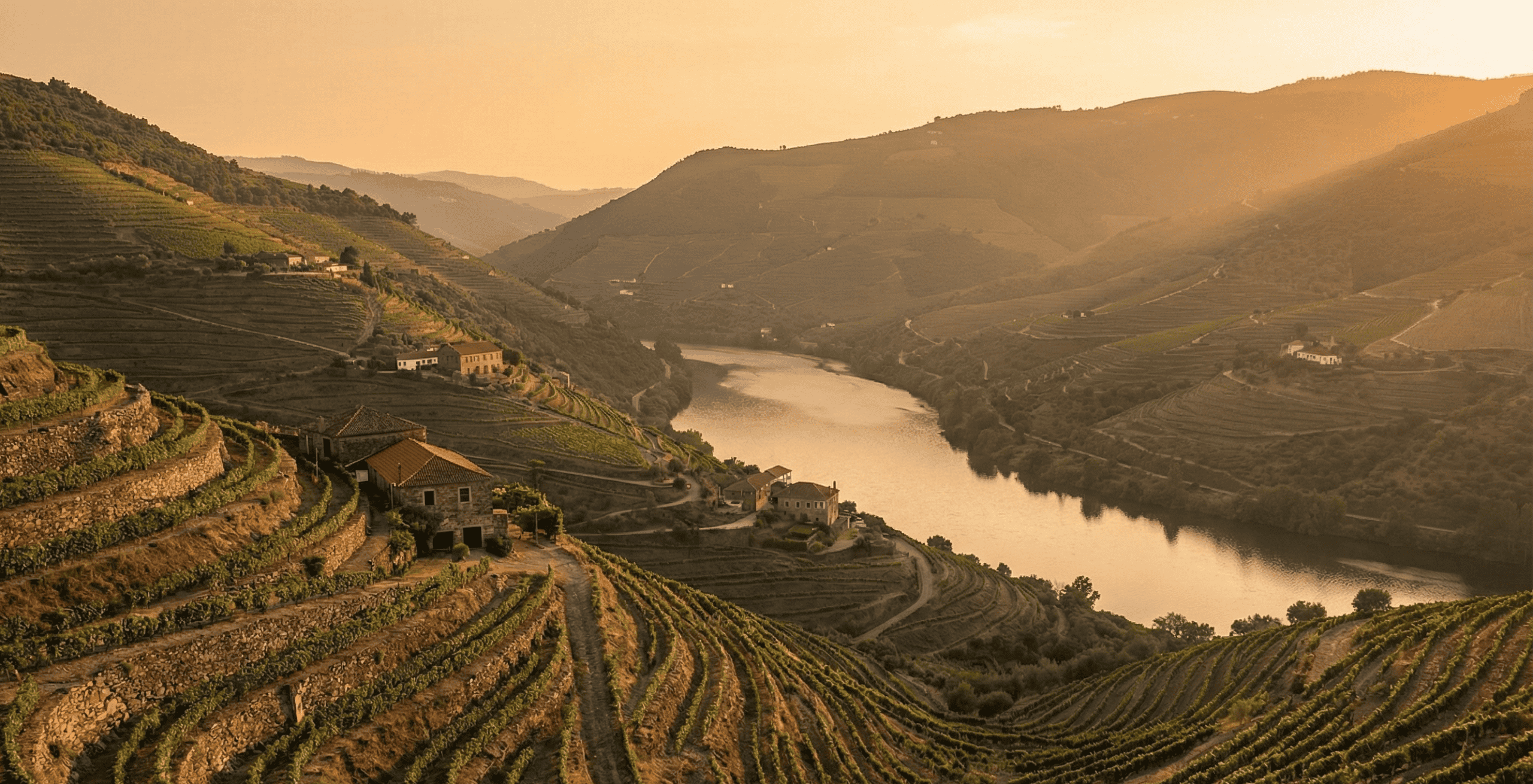
The Douro Valley isn’t your typical wine region. It’s a vertical, sun-soaked, and frankly terrifyingly beautiful maze. A UNESCO World Heritage site where the landscape is defined by steep terraces (patamares) that plunge hundreds of feet toward the river. Here, the logistics of any tour are dictated by three brutal factors: intense microclimates, sinuous roads (like the N222), and the rigid hospitality culture of the traditional quintas.
Both options work. Both can fail spectacularly. And usually, the difference hits you halfway through the day—somewhere between the second wine tasting and the steep climb to a high-altitude viewpoint—when it’s already too late to change course.
If you’re still figuring it all out, this overview of the best Douro wine tours from Porto will give you a clearer picture before committing to a specific format.
The Geography of Choice: Why the Douro is Different
Before we dive into the pros and cons, let’s talk about the terrain. Unlike the flat vineyards of Bordeaux or the rolling hills of Tuscany, the Douro is all about “heroic viticulture.” Most of the vineyards here are planted on slopes with inclinations over 30 degrees.
Why does this matter for your tour?
- Transit Time: The drive from Porto to the heart of the valley (Pinhão or Peso da Régua) takes about 90 minutes. That’s three hours of your day spent in a vehicle. The quality of that vehicle—and the people inside it—becomes paramount.
- The Heat Factor: The Douro is usually 10°C hotter than Porto. In July, it’s a furnace. A group tour means sharing a climate-controlled van with 10 other people. A private tour? Total control over the AC.
- Road Logistics: The legendary N222 road is stunning, but its hairpin turns are not for the faint of heart. The way a large van handles these curves versus a private luxury SUV can make all the difference in your physical comfort by mid-afternoon.
What Small Group Douro Wine Tours Really Feel Like
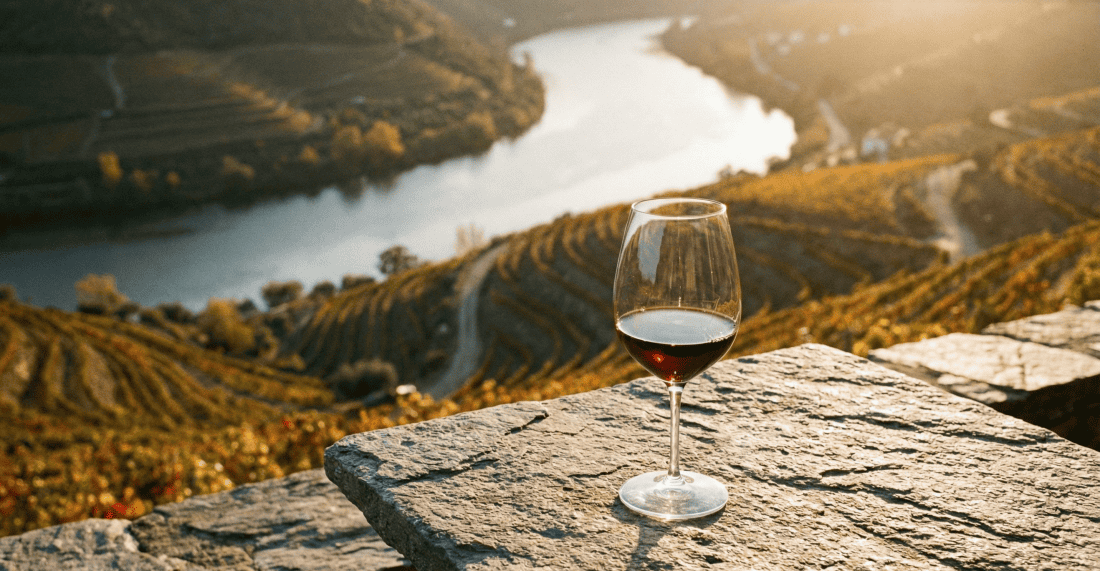
Small group tours are the “industrial-strength” solution for Douro tourism. They run on momentum. These are finely tuned operations designed to maximize your exposure to the valley’s highlights within 8 to 10 hours. But to get the full value, you need to understand the mechanics of how they operate in the Alto Douro.
The Vehicle Ecosystem: High-Top Vans and the Air-Conditioning Lifeline
Most premium small group operators use a fleet of high-top Mercedes-Benz Sprinters or similar executive vans. These aren’t “buses” in the traditional sense, but they are big.
The Benefit: You’re elevated. You get better views of the Cima Corgo sub-region from these vans than you would in a low-slung sedan.
The Trade-off: Parking. These vans are bulky, so they’re often restricted to wineries with large coach access. This means you’re visiting the “big names”—the iconic quintas of the valley—which is fantastic for first-timers, but can feel a bit like following a well-worn path.
The Group Dynamic: The “Social Spark” vs. The “Law of the Slowest Member”
Eight to twelve people is the standard for a “small group.” It’s enough for conversation, but it’s also enough for opinions to clash.
- The Synergy: On a good day, the group clicks. You find yourself chatting with a couple from Melbourne, a solo traveler from New York, and wine lovers from Berlin. By the time the Port starts flowing at lunch, the van feels like a rolling dinner party. For solo travelers, this social energy is one of the best reasons to opt for a group tour.
- The Friction: Group tours run on collective gravity. If one person lingers too long at a bathroom stop or takes forever at a photo op, the entire schedule shifts. In the Douro, wineries run on tight “tasting slots.” If you’re late, the winery doesn’t push the schedule back—they shorten your tour to fit in the next group.
The Group Lunch: Traditional Feast vs. Fixed Logistics
Lunch on a small group tour is a fascinating exercise in Portuguese hospitality at scale. You’ll likely be taken to a tasca or winery restaurant in either Peso da Régua or Pinhão, places that are experts at handling large groups without sacrificing tradition.
The Menu: Expect hearty, rustic dishes—think Arroz de Pato (duck rice), Vitela Assada (roasted veal), or Bacalhau (salted cod).
- The Pros: The food is consistent, authentic, and usually paired with “unlimited” house wine (often a young Douro DOC). It’s a quick and efficient way to experience Northern Portuguese cuisine without the hassle of deciphering a complicated wine list.
- The Cons: You’re eating on a deadline. The reservation is at 13:00, and the van departs at 14:30. No lingering over a third espresso or wandering along the river after your meal. Lunch is part of the itinerary—not a leisurely affair.
Predictability as a Shield
For first-time visitors, small group tours are often the easiest and least stressful way to get into the Douro. You don’t have to worry about whether the winery will be open or if the bridge at Ferrão is under construction. You follow the guide. You drink the wine. You enjoy the views. For many, that “brain-off” simplicity is the ultimate luxury. But, of course, you’re on a “conveyor belt of excellence.”
What Changes When You Go Private: The Luxury of “The Pivot”
Private tours cut through the noise. Literally. When you take away the shared rhythm of ten strangers, the emotional and physical tempo of the Douro Valley shifts. It stops being a “sightseeing mission” and starts feeling like a personal invitation into the homes of the valley’s finest winemakers.
The Architecture of Silence and Space
Private tours typically use premium SUVs (like the Volvo XC90 or Audi Q7) or luxury sedans.
The Physical Difference: These vehicles handle the “27 curves of the N222” with much more grace than a high-top van. If you’re prone to motion sickness—a common issue on Douro roads—private cars with superior suspension and seating will save your afternoon.
The Emotional Difference: No group rhythm. No shared patience. No compromises that pile up throughout the day. You don’t have to wait for “that one person” to finish at the gift shop. You control your timeline.
Itinerary Elasticity: Staying When a Wine “Lands”
The real luxury of a private tour isn’t just the car—it’s the ability to pivot.
- The Spontaneous Stay: Imagine you’re at a boutique Quinta in Cima Corgo. The host offers an unlabelled bottle of a rare Colheita from your birth year. In a small group, you’d be eyeing the clock, knowing the boat leaves in ten minutes. In a private tour, you stay. You finish the bottle. You talk. You skip the boat if you want.
- Heat Management: If the temperature by the river is unbearable (often hitting 42°C), your private guide can adjust the afternoon, taking you to higher-altitude vineyards in Douro Superior or the cooler slopes of Baixo Corgo.
It’s calmer. Almost too calm, sometimes. If you thrive on social energy, private tours might feel a little too… quiet. But if you’re all about space—physical and mental—it’s a relief. Same valley. Same roads. Very different day.
Exclusive Access: Opening “Closed” Doors
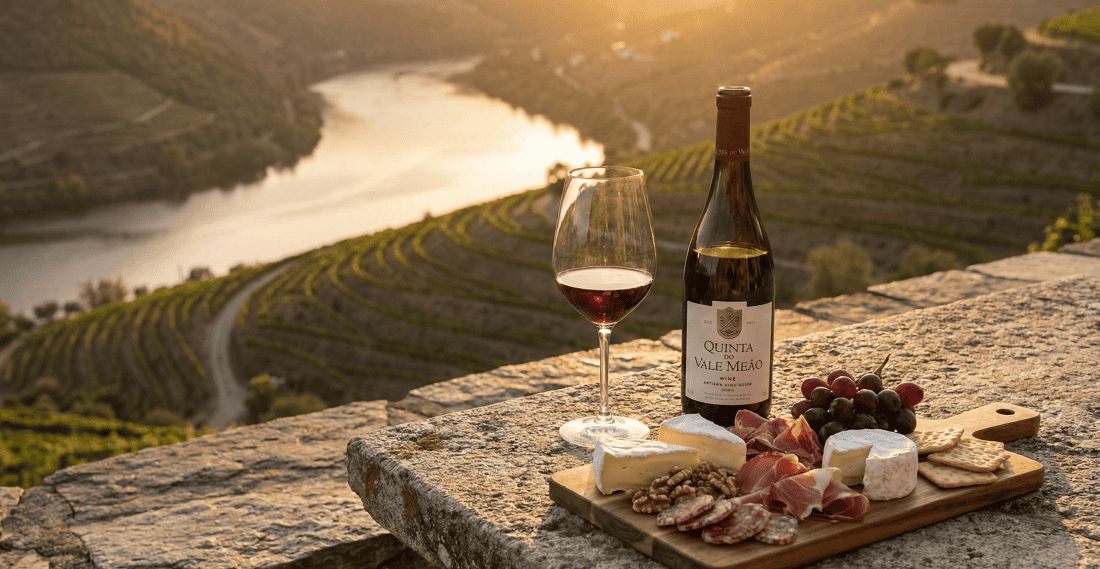
The most prestigious family estates in the Douro—those producing 100-point Vintage Ports and limited-edition DOC reds—often won’t accept groups. Their tasting rooms are intimate, historic, and small.
By opting for a private tour, you unlock access to these “Hidden Gems,” where the tasting might be led by the owner or head sommelier instead of a seasonal guide. You move from “The Tourist Trail” to “The Collector’s Trail.”
Money Talk: Decoding the Real Cost of the Douro
Yes, private tours cost more. A lot more. But if you’re looking to understand the “value for money,” you need to go beyond just the booking fee and dive into what you’re really getting. A common mistake is assuming that a $400 tour automatically means “better” wine than a $150 one. In the Douro? That’s not always the case. Sometimes, it’s the same wine in the glass—but a completely different world around it.
The Shared Tour Economy ($120 – $190 per person)
Small group Douro wine tours thrive on the economy of scale. The cost of the professional driver-guide, the fuel for that 200km round trip from Porto, and vehicle maintenance is divided across 8 to 12 seats.
- What’s Included: Usually, this covers two winery visits (standard tastings), a rustic lunch with house wine, and a 1-hour river cruise in a traditional Rabelo boat.
- The Reality: You’re paying for “standardized excellence.” The wineries are big enough to handle groups, which means they’re efficient, scenic, and professional—but you’re part of a high-volume tourism cycle.
The Private Tour Premium ($300 – $700+ per person)
When you book a private tour, you’re not just paying for a car; you’re buying exclusivity and expert time.
- Custom Logistics: You’re paying for the car to be 100% yours. Want to spend three hours in a cellar chatting about terroir and schist soils? The car waits. Want to leave Porto later to skip the morning rush? You can.
- The “Expert” Factor: Private guides are often career sommeliers or WSET-certified professionals who dive deep into the technical aspects of Vila Nova de Gaia aging vs. Douro aging.
- Tailored Tastings: Private tours often feature “Premium” flights. Instead of the usual Ports, you might sip 30-year-old Tawnies, single-quinta Vintages, or limited-edition DOC Douro table wines that retail for €100+ per bottle.
If you want to break down the numbers calmly and see where every Euro goes, this guide on how much Douro wine tours cost explains the seasonal fluctuations and the “hidden” fees often found in low-cost offers.
Pacing: The Invisible Difference No One Explains Well
This is where the difference really shows. The Douro Valley “eats” time. Because of the winding roads and slow-moving agricultural traffic (tractors are everywhere during the Vindima or harvest season), a distance that looks like 10km on Google Maps can easily take 25 minutes to drive.
The “Collective Gravity” of Groups
Small group tours move as a unit. This creates what I call “Collective Gravity.” If two people are slow to finish their dessert, the whole van gets delayed. If the group is late getting to the boat dock in Pinhão, the boat waits—or worse, you have to run to catch it.
This creates a subtle but constant undercurrent of time-anxiety. You’re always watching the guide’s face for the “time to go” signal. You’re obeying the day’s rhythm, not living it.
The “Elasticity” of Private Time
Private tours move when you’re ready. Sounds small, but it’s a game-changer.
The Douro rewards the slow-mover. There’s magic in standing at the Casal de Loivos viewpoint without a guide tapping their watch. People rarely complain about seeing “fewer” wineries on private tours; they celebrate the freedom to savor the ones they’ve visited.
The Real Difference: On a private tour, you can stop at a roadside stand for fresh cherries or almonds. In a small group? That stop is impossible. You’re paying for the ability to bend the day to your curiosity.
The Terrain Factor: Why Your Stomach Might Care
We need to talk about the N222. Often called the “World’s Best Driving Road,” it’s also a nightmare for those prone to motion sickness.
- Group Vans: Large high-top vans have a higher center of gravity, so they “sway” more on curves. Sitting in the back row of a 12-seater van on the 27 curves between Régua and Pinhão? You’re in for a bumpy ride.
- Private Cars: A luxury SUV or sedan handles these curves with much more stability. For travelers who struggle with mountain roads, the “private” upgrade isn’t about luxury—it’s about physical survival for the afternoon tasting.
Who Small Group Douro Wine Tours Usually Work For
Small group Douro wine tours make sense if this is your first time and you don’t want to overthink the region’s complexity. It’s the “safe bet” for those who want a curated highlight reel without the stress of planning.
- The Social Catalyst: Solo travelers and outgoing couples often find that the shared experience adds a layer of fun. Comparing tasting notes on a 20-year-old Tawny with someone from a different continent? That’s part of the charm.
- The Efficiency Seeker: If you’ve only got one day in the Douro and want to see the “Big Names” (think Quinta do Bomfim or Quinta da Roêda), the small group tour is optimized to get you there on time.
- The Predictability Factor: You want a fixed price with no surprises. You want to know exactly what time you’ll be back in Porto for your dinner reservation at Ribeira.
They’re ideal when wine is part of the trip, but not the singular obsession. You’ll get a solid overview of the Demarcated Region without getting bogged down in the details of soil pH or rootstock graftings.
Who Private Tours Tend to Suit Better
Private tours are perfect when your priorities are more refined and the standard “conveyor belt” no longer fits your needs. As the price climbs, so do the expectations for a more tailored experience.
- The “Wine-First” Collector: If your cellar’s stocked with Douro DOC reds and you want to visit specific producers like Quinta do Crasto or Quinta do Vallado, a group tour won’t satisfy you. You need a guide who can facilitate deeper technical conversations.
- Multigenerational Families: Traveling with kids who need a break or elderly parents who find the steep steps of ancient cellars challenging? The “Pivot” mentioned earlier becomes your best friend.
- The Photography Obsessive: The light in the Douro changes every ten minutes. Need to stop at Miradouro de São Leonardo de Galafura to catch the “Golden Hour”? Only a private driver will wait for you to get the shot.
The Seasonality Factor: How the Calendar Dictates Your Tour
The choice between group and private shifts with the seasons. The Douro’s climate is famously described as “Nine months of winter and three months of hell” (Nove meses de inverno e três de inferno).
Summer (June to August): The Survival Choice
In the peak of summer, Pinhão can hit 43°C (110°F).
Group Reality: Twelve people getting in and out of a van every 45 minutes means the air conditioning never quite catches up. You spend a lot of time “re-cooling.”
Private Reality: You stay in the car longer, choose wineries with cooler schist cellars, and linger at river-level restaurants where the breeze actually reaches you.
Harvest Season (September): The Logistical Nightmare
This is the most beautiful time to visit, but also the most crowded.
Group Reality: Traffic on the N222 is at its peak. Wineries are overwhelmed. Group tours are often relegated to the “Tourism Annex” rather than the main production areas.
Private Reality: Thanks to your guide’s personal relationships with winemakers (lavradores), you might get to see the grapes being trodden in the stone lagares—a rare sight for large groups during harvest weeks.
The “Quiet” Season (November to March)
In winter, the valley is quiet, misty, and ethereal.
The Catch: Many group tours don’t run as frequently, or require a minimum number of guests. If you’re visiting in January, a private tour might be your only reliable option for seeing the valley comfortably, as many small operators close for the season.
Assumptions That Don’t Hold Up: Debunking the “Premium” Myths
In the world of luxury travel marketing, words like “Private” and “Exclusive” get tossed around with reckless abandon. To make a solid, informed decision, you need to strip away the buzzwords and focus on the real deal. Not every “upgrade” is truly an upgrade.
Myth 1: “Private Always Means Luxury”
The Reality: A private tour just means it’s “non-shared.” I’ve seen “private tours” take place in aging sedans, with drivers who barely speak English and have no wine knowledge whatsoever.
The Value Check: When you book private, you’re really paying for the guide’s expertise and the vehicle’s stability. If the operator doesn’t specify the vehicle model (e.g., Mercedes E-Class, Volvo XC90) or the guide’s credentials (WSET Level 2 or 3), you might just be booking an expensive taxi. Always check both the hardware and the software of your tour.
Myth 2: “Private Tours Automatically Unlock ‘Secret’ Wineries”
The Reality: The Douro is all about cunha—personal connections. While it’s true that large groups can’t squeeze into tiny boutique quintas in the Cima Corgo, being “private” doesn’t automatically unlock doors to the best estates, like Quinta do Noval.
The Value Check: What really unlocks access is the operator’s reputation. A respected small group tour led by a local expert often has better access than a generic private driver. Choose the operator first, then worry about the format.
Myth 3: “Group Tours Serve Cheaper Wine”
The Reality: Most reputable group tours visit top-tier estates (like Quinta da Pacheca or Quinta do Seixo). The wine you drink will be the same high-quality Port that anyone else is drinking.
The Value Check: The real difference is in the Tasting Flight. Groups generally get the “Standard” flight (Ruby, Tawny, LBV). Private tours often have the option to upgrade to “Vertical” tastings of Vintage Ports or rare Single-Quinta harvests. You’re not drinking “bad” wine in a group—you’re drinking “introductory” wine.
The River Factor: Rabelo Boats vs. Private Yachts
Almost every Douro tour includes a boat trip. It’s an essential part of the experience. But this is where the “Small Group vs. Private” debate gets physical.
The Shared Rabelo Experience
Most small group tours offer a 1-hour cruise on a traditional Rabelo boat (the flat-bottomed vessels once used to transport barrels to Porto).
- The Vibe: You’re sharing the boat with 20-40 other people (multiple tour vans often merge here). It’s scenic, but it’s also noisy.
- The Limitation: The boat follows a fixed loop starting at the Pinhão bridge. You see exactly what everyone else sees. If the sun’s at a bad angle for your photos, you can’t ask the captain to adjust the route.
The Private Navigation Upgrade
A private tour allows you to book a vintage speedboat or luxury yacht.
- The “Pivot” Again: If you’re still enjoying the wine at a quinta, you can push the boat departure back.
- The Route: Private boats can head further upriver toward the Tua junction or the Valeira Dam, where the river is quiet, and the tourism buzz fades away.
- The Comfort: In summer, a private boat with a shaded canopy and a bottle of chilled Vinho Verde or Douro White is the only way to escape the 40°C heat of the valley floor.
The Safety Net: Why Small Groups Still Win for Many
Despite the allure of private travel, there’s a psychological safety in numbers.
Predictable Excellence: Small group tours are “vetted” by thousands of past guests. The restaurants are used to the volume, the wineries have their “pitch” perfected, and the schedule runs like a well-oiled machine. For anyone suffering from decision fatigue, having a professional handle everything (literally and figuratively) for 10 hours is the best way to actually enjoy the scenery without stressing over every turn.
The Decision Matrix: A Side-by-Side Comparison
| Feature | Small Group Tour | Private Tour |
|---|---|---|
| Typical Cost | $120 – $190 per person | $350 – $700+ per person |
| Vehicle Type | Executive Van (Mercedes Sprinter) | Luxury SUV or Premium Sedan |
| Itinerary | Fixed “Greatest Hits” | 100% Customizable / Bespoke |
| Wine Depth | Standard (Ruby, Tawny, LBV) | Premium (Vintage, Colheita, DOC) |
| Lunch Style | Traditional Set Menu (Family Style) | A La Carte or Fine Dining |
| Pacing | Structured & Social | Relaxed & Intimate |
The Final Verdict: Which One Should You Choose?
There’s no one-size-fits-all answer. Anyone who says otherwise is selling a tour. But after years of analyzing thousands of Douro itineraries, the “right” choice typically aligns with your main constraint.
Go for the Small Group Tour if:
This is your first time in Northern Portugal and you want a stress-free, high-energy introduction to the valley. If you’re a solo traveler, a young couple, or a group of friends who thrive on meeting others, the small group format is the most cost-effective way to see the Baixo Corgo and Cima Corgo. It provides the perfect “vibe” for a fun, educational day without the hefty price tag.
Go for the Private Tour if:
You’re obsessed with wine, celebrating a special milestone (honeymoon, anniversary), or simply can’t handle the “conveyor belt” of group travel. If you crave control—over the car music, the AC, and the duration of every tasting—the investment is absolutely worth it. In the Douro, control is the ultimate luxury.
Common Questions Before Booking
“Does the tour include the train back to Porto?”
Some tours offer a “one-way” option where you take the scenic Linha do Douro train back to Porto. While romantic, this is usually only recommended for private tours where logistics are taken care of for you. Most small groups return by van for efficiency.
“Is the boat trip better in the morning or afternoon?”
The Douro river is often still in the morning, which is ideal for reflections. But the afternoon light during “Golden Hour” is unmatched. A private tour lets you time the cruise perfectly for photos. A group tour simply takes the slot that fits the schedule.
The Real Mistake Isn’t the Format…
The real mistake is choosing without understanding what you actually want from the day. Whether you prefer the social buzz of a shared van or the quiet flexibility of a private car, the Douro Valley will still blow you away.
If you’ve picked a format but still have questions about the timing, the next thing to consider is duration. Is a full day too much, or just enough? Check out this comparison of full-day vs. half-day Douro wine tours to see which fits your schedule best.
And if you’re ready to dive into the costs, don’t miss our definitive guide on how much Douro wine tours cost to ensure you’re getting the best bang for your buck.
The Valley is waiting. Choose your pace, and enjoy the pour.